Biographie
Anouchka Renaud-Eck is a graduate in photography from L'Ecole des Gobelins, Paris and Art History from the University Paris 1 Panthéon-Sorbonne Vit currently works in Paris. she is a photographer who travels a lot during her exhibitions. In 2020, she exhibited in Turkey in Istanbul at 212 Photography Istanbul but also in the United Kingdom in 2021 for the Format 21 Festival in Derby. In 2022, she was also able to exhibit Malaysia in Kuala Lumpur at Exposur+.
Présentation
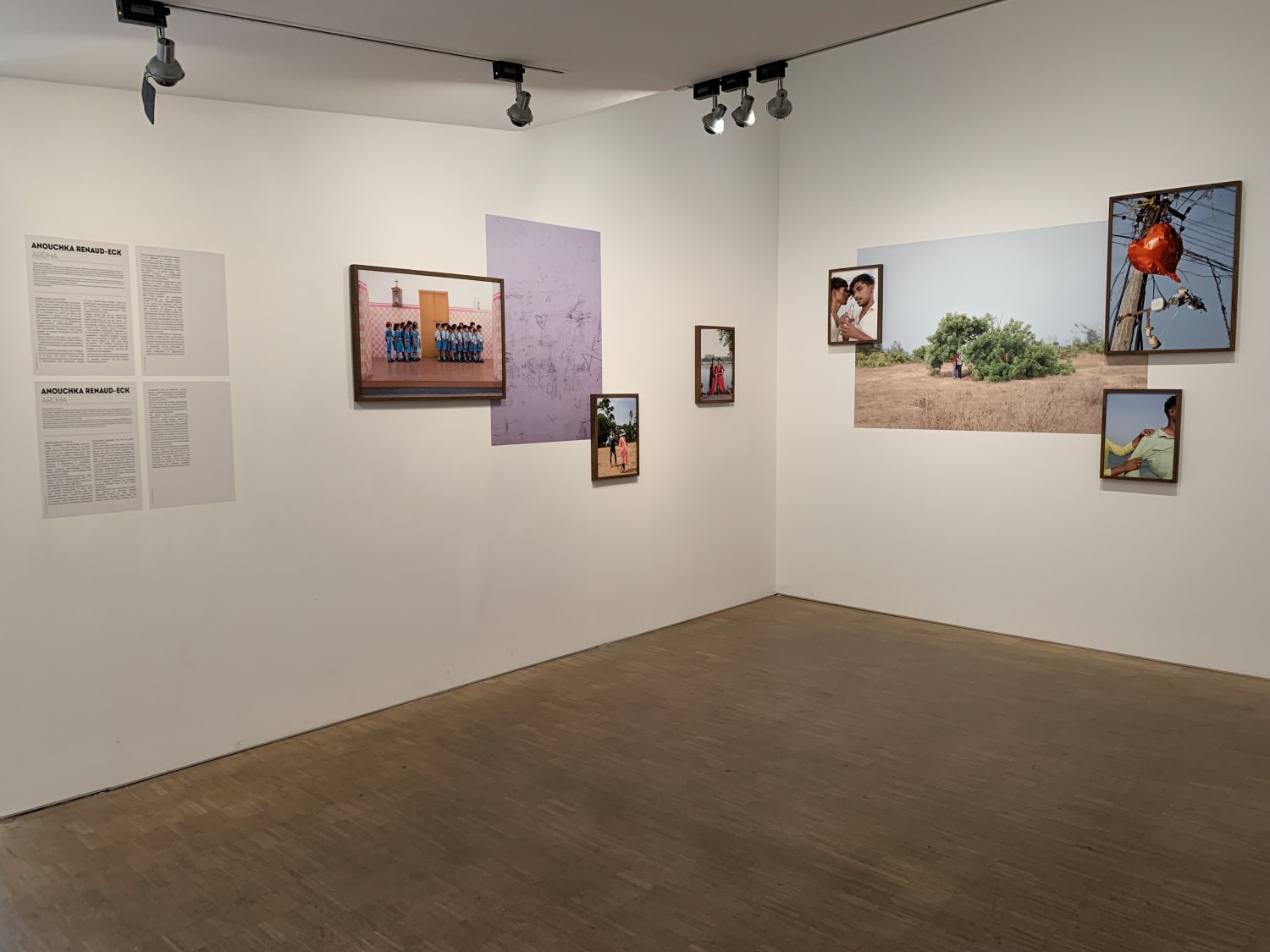
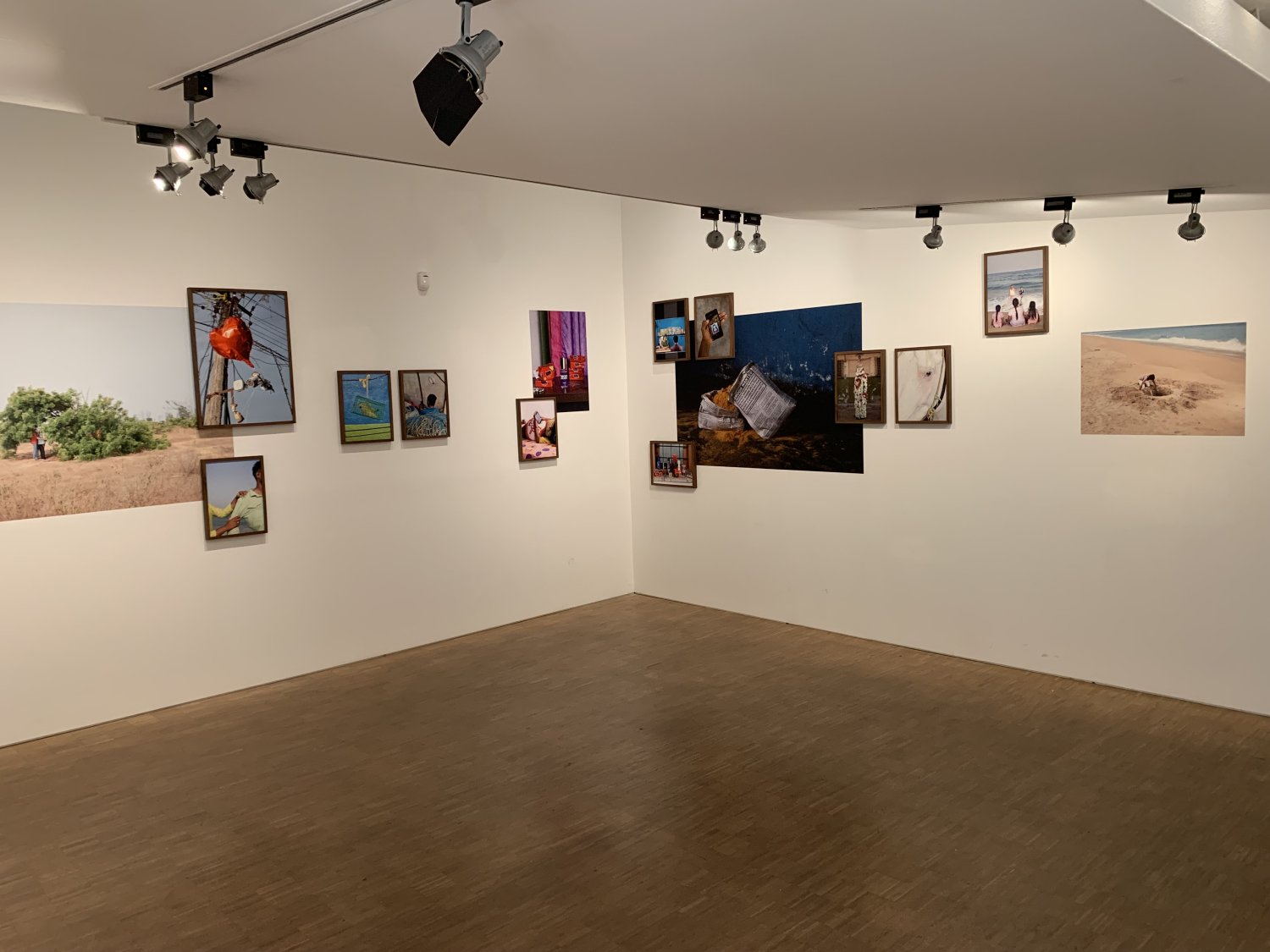
After a breakup, I found refuge with the family of an old friend, in a small town in Kerala, southern India. Like me, this friend was approaching his thirties and had just experienced a separation. The relationship with his youth sweetheart had been frowned upon by his parents, due to differences in community belonging—a factor that, in India, continues to shape affective trajectories, as caste, religion and language still permeate social life.
This breakup precipitated his parents—like those of many friends before him — in the search for the ‘ideal partner’, before he reached the symbolic age of 30.
Our parallel experiences have awakened in me a deep questioning about union and loss, these universal motives that traverse our existences. I began to document these questions with my wider circle of friends, coming from different communities in Kerala and then Tamil Nadu, before my meetings gradually led me to other states of India.
Every year, more than ten million couples marry in India. Only a small proportion do it out of love: the vast majority still follow the path of arranged marriage. In this system—often misunderstood from the West — families participate fully in the search for the partner deemed most compatible, reconciling social stability, cultural expectations and family balance.
Whether it is perceived as a rite of passage or as an alliance between two lineages, marriage remains one of the great moments of life.
If practices vary according to regions and religions, a principle keeps coming back: find the ideal 'mirror'. Traditionally, spouses must share the same caste, the same religion, a comparable level of education. Among the Hindus — and sometimes even among some Christians—astrological compatibility, established by an astrologer, remains a determining criterion.
In this vast matrimonial market, age imposes its rhythm: after 30 years, research becomes a countdown, pushing many young people to give up their youthful loves to meet family expectations.