



Présentation
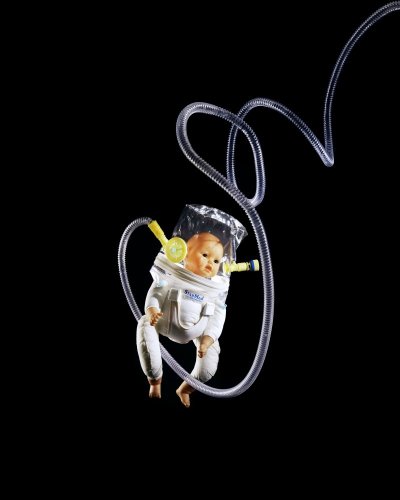
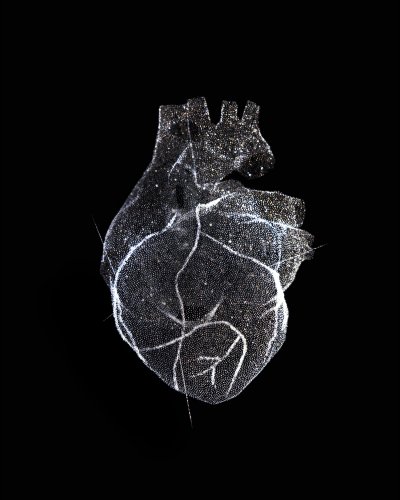
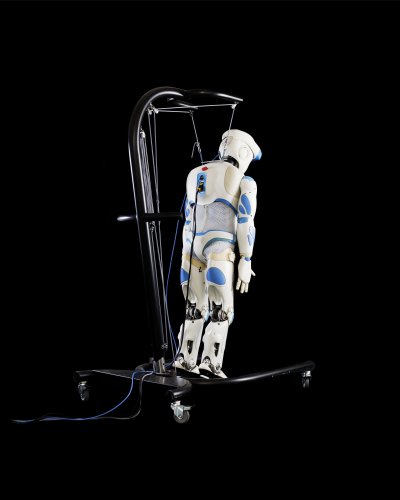
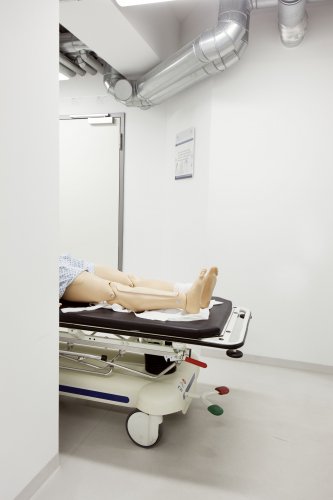
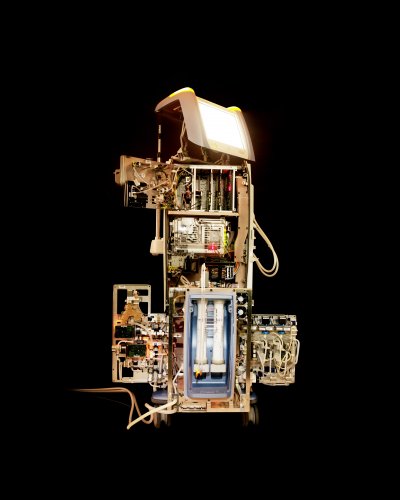
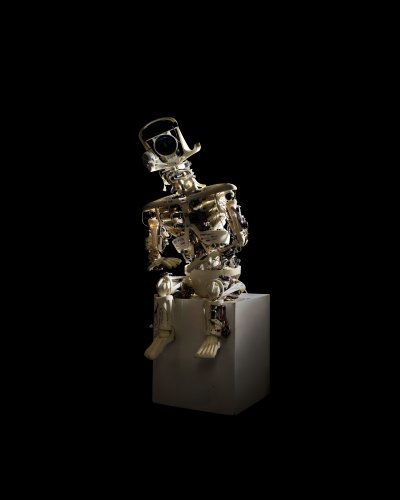
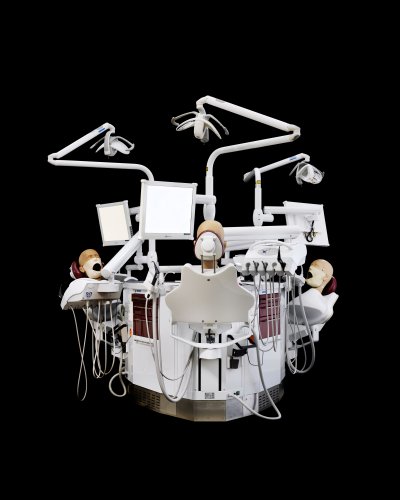
In a state of insecurity, mechanized control instruments gain particular significance. The surveillance and inspection of data is fully automated and emits alarm signals, upon which the human being has to make a decision. Everybody is happy when the device fulfills its purpose and sends warning signals when the need arises. The belief in the machine and its logical gearing mechanism stems from the idea that the human being itself is a machine. Fritz Franz Vogel When I entered the large, dark room for the first time in the middle of the night, I had to pause briefly and ask the doctor to give me a moment to allow the serenity of this place to take effect for a moment. It was odd; I felt a sense of confidence and security, no trace anymore of fear. The question “If not here, where then?” flashed through my mind. Everywhere there were blinking lights and the hum of individual beeping sounds. A small group of newborn children was sleeping here. I thought, “We really need to give the boy a name.” Half a year later, I started working on a group of photographs revolving around this topic. The machines that save people’s lives, or at least can improve their wellbeing, fascinated me deeply. My quest began in a hospital in Vienna. Seeing a man’s open chest cavity with the beating heart inside it undermined both my personal conviction and legitimization to create a photographic work here, the objective of which was still totally unclear at the outset. I thus continued my search in the production facilities and laboratories of manufacturers of intensive care apparatuses—far away from the sites of their employment. I sought to make accessible a taboo topic without depicting any suffering and without compromising people in difficult circumstances. I had to tell the story in a different manner. Slowly, I began to collect images of historical and contemporary devices, photographed before a dark background—isolated from the environment in which they were used—to direct the attention entirely to their function and their peculiar aesthetics. I encountered people who dealt with these appliances on a daily basis, doctors, nurses, but also technicians, inventors, and designers who pour their entire knowledge into the development of the devices. I discovered apparatuses, which as prototypes were still at the beginning of their development, individual modules of complex machines on production lines, open devices in a process of maintenance: dialysis machines, respirators, artificial hearts, heart-lung apparatuses, cardiac pacemakers, intrathecal pain pumps, coronary stents, and other devices. This series of works has been published and exhibited many times. In the process, many odd things have happened, very unusual coincidences, in which these machines played a central role. People opened up and talked about events, which they might normally not speak about. Slowly, the machines started connecting the people. Incidentally, Viktor recently turned four.