Biographie
After my studies at the ENSAD (Ecole nationale supérieure des Arts décoratifs de Paris), I lived in Chile, where I directed Les Naufragés (2013-2017) in the Atacama desert. With the series La couleur de la grenade (exhibited at Les Boutographies in 2024), I took a look at Armenian youth and the traces left by thirty years of conflict and by the still vivid memory of genocide. Today I am developing a personal work focused on youth, individual dual narratives and places of withdrawal or confinement – whether physical, social or symbolic. Between 2024 and 2025, I conducted a project entitled Seize et demi in a juvenile prison, with the support of the ADAGP.
Alongside my personal projects and exhibitions, I regularly collaborate with the press in the context of reports or portraits, as well as with institutions and NGOs. Attached to collective work, I also participate in artistic and cultural education projects. Since 2024, I have been a temporary lecturer in the Master’s program on journalistic news at the University of Lyon II.
Présentation
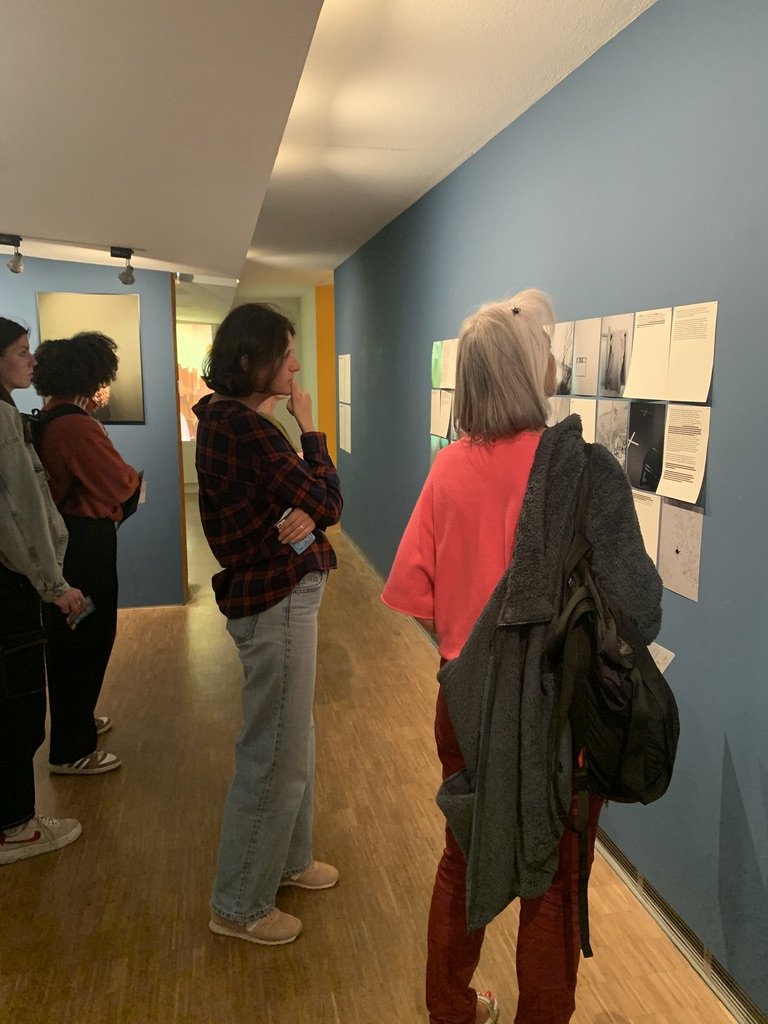
For eight months, two days a week, validated and fixed by the judicial and penitentiary administrations, I conducted a project mixing photography and writing in one of the six French prisons for minors. I tried to create a space for co-creation with the young people who live in these places. To understand what they wanted to show about themselves, I used to discuss with them their past life and their daily life in prison. Sometimes, I didn’t have a device; we would then discuss the images produced, look at them together and open the floor to talk about their experience, their stories. And during the moments when we were making images, I proposed to them to be actors, to choose the angle or their poses in the photos. Other times, we found ourselves in empty rooms, with white walls, windows that did not open, and a pair of chairs placed there for the occasion.
Over the course of these days spent alongside people who are attributed random identities—prisoners, young people, children, minors or teenagers, I felt that the only way to act, at my level, was to photograph while accepting the rules of the prison without adopting its language. The rules require requests, and some images do not pass. Among the refused ones, there is one that continues to obsess me. It will remain in my mind, this beautiful and absurd vision of a pony in the inner courtyard of the prison, motionless under the snow of December.
About the texts in the exhibition
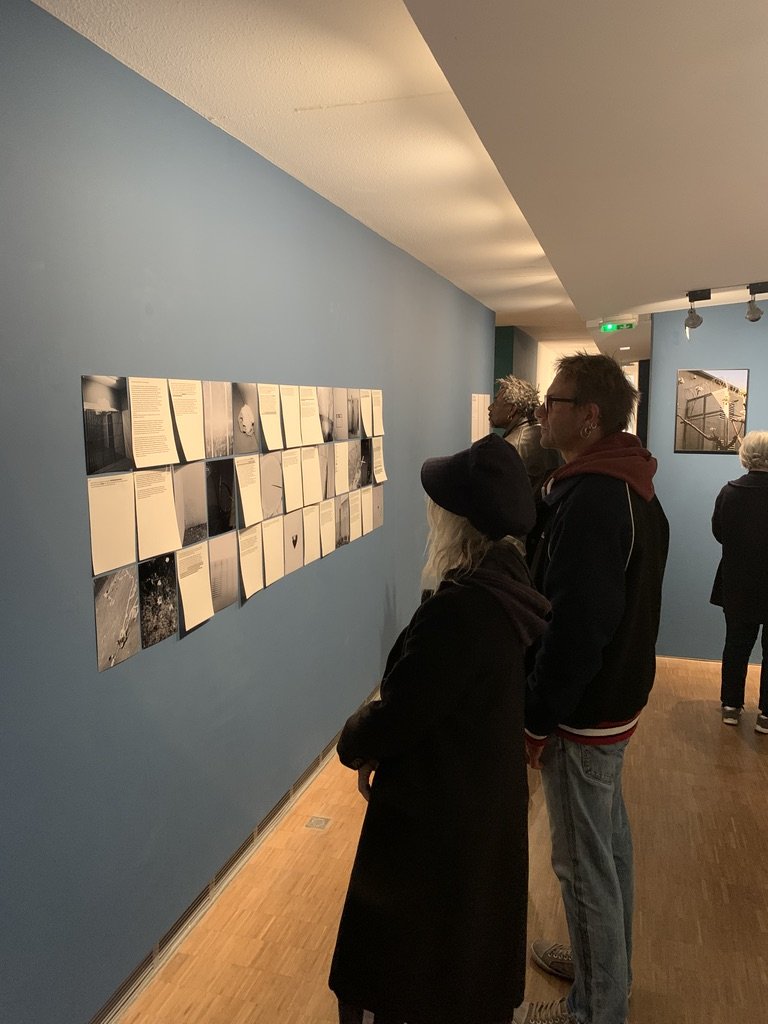
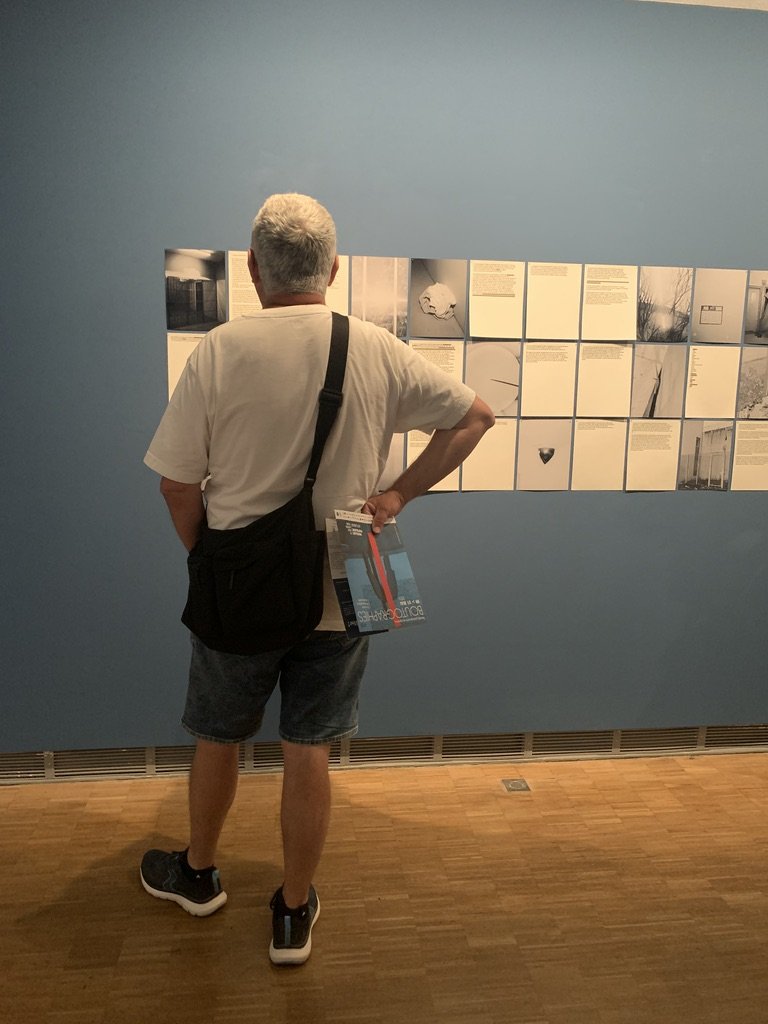
The texts presented are from interviews conducted with young prisoners.
Like the photographs, they have been made anonymous, without names or faces. In the absence of authorization to record the voices, their transcription was made from notes taken directly on a computer, as faithful as possible. Only a spelling and punctuation correction was then made.