Biographie
Hannes Jung, is an artist based in Berlin. His photographic approach addresses the themes of trauma, both individual and societal. He also takes a certain look at political movements and their influence in society.
His work can be found in major festivals, such as Fotofestiwal Łódź (Poland) Białystok Interphoto Festival, (Poland), Kaunas Photo, (Lithuania), Promenades Photographiques, Vendome (France) Copenhagen Photo Festival, Copenhagen, (Denmark) and many others.
He wins and is distinguished for several awards in Germany, such as the Lotto Brandenburg Kunstpreis Ivory Coast, the VG-Bildkunst research-grant Hansel-Mieth-Preis, honorable mention, to the Gabriel-Acquitter-research-grant Hansel-Mieth-Preis, honorable mention. He is nominated for the CO-Talent Award, as well as an honorable mention at the Otto-Steinert-Preis, acatech photography grant Münzenberg Forum, art prize Lotto Brandenburg Kunstpreis Stockholm, promotion prize.
Présentation
During the war in Bosnia and Herzegovina, in the 1990s, men of different ethnic origins were victims of sexual violence. Prisoners in camps and detention centres, they were tortured and ill-treated by soldiers and guards, and sometimes forced to commit sexual acts with each other. These experiments threatened their physical safety, but they also aimed to destroy their dignity, identity and family ties. It is difficult to fully measure its impact.
For a long time, the sufferings of these men remained hidden. Their stories were ignored, denied or passed over in silence. Many survivors are still suffering the consequences of these events, mentally, physically, socially and financially. Shame and social taboos often prevent them from expressing themselves or asking for help.
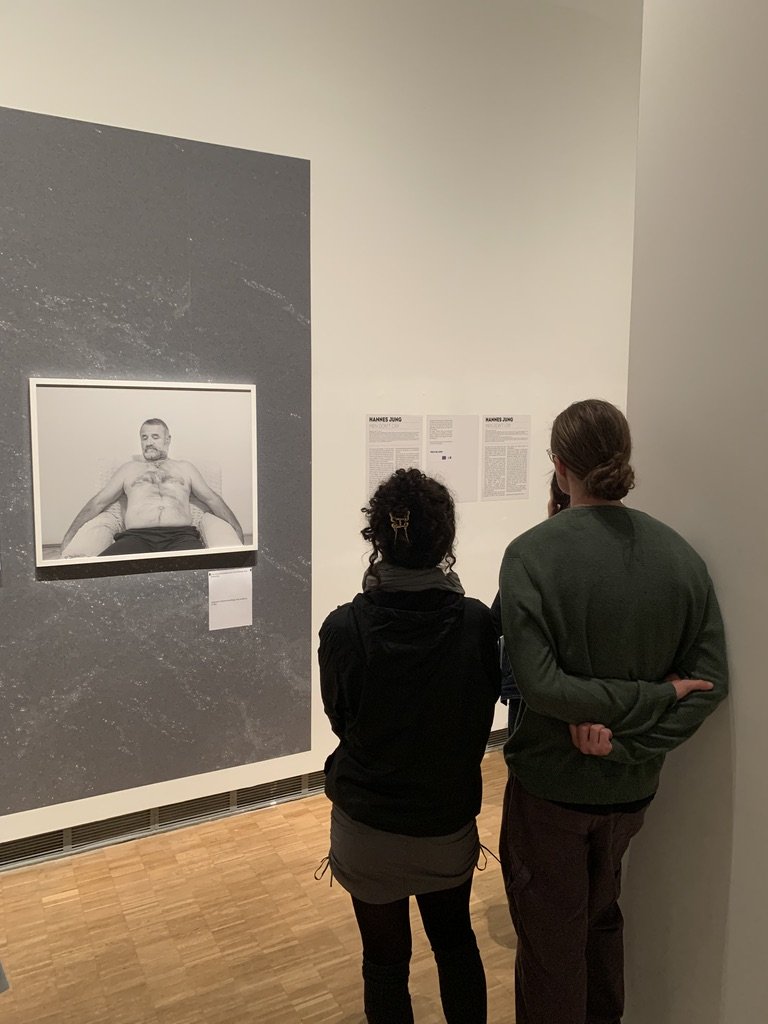
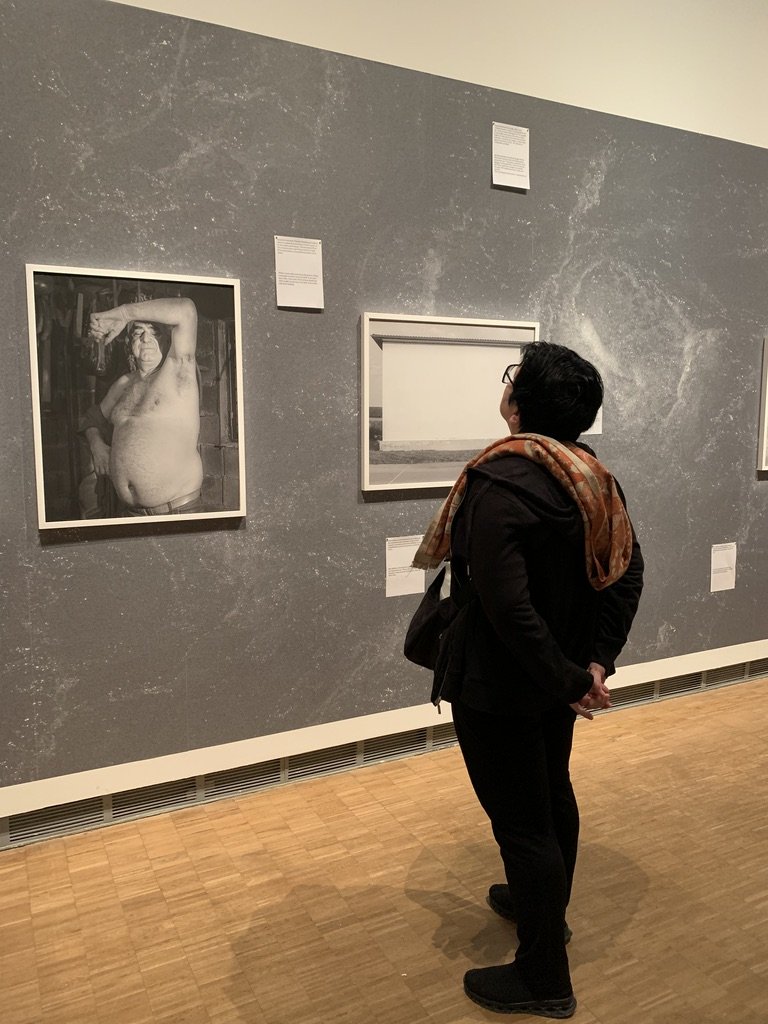
What happened to these men cannot be fully shown in photographs. Nevertheless, photography is a way to approach their stories and create spaces of memory.
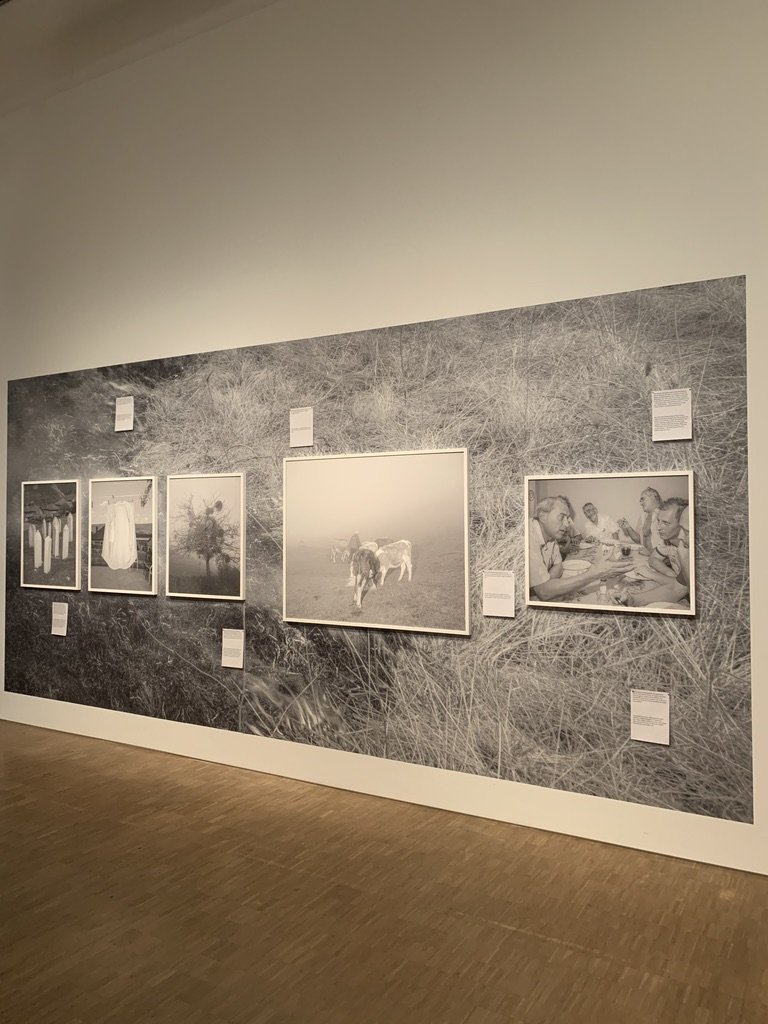
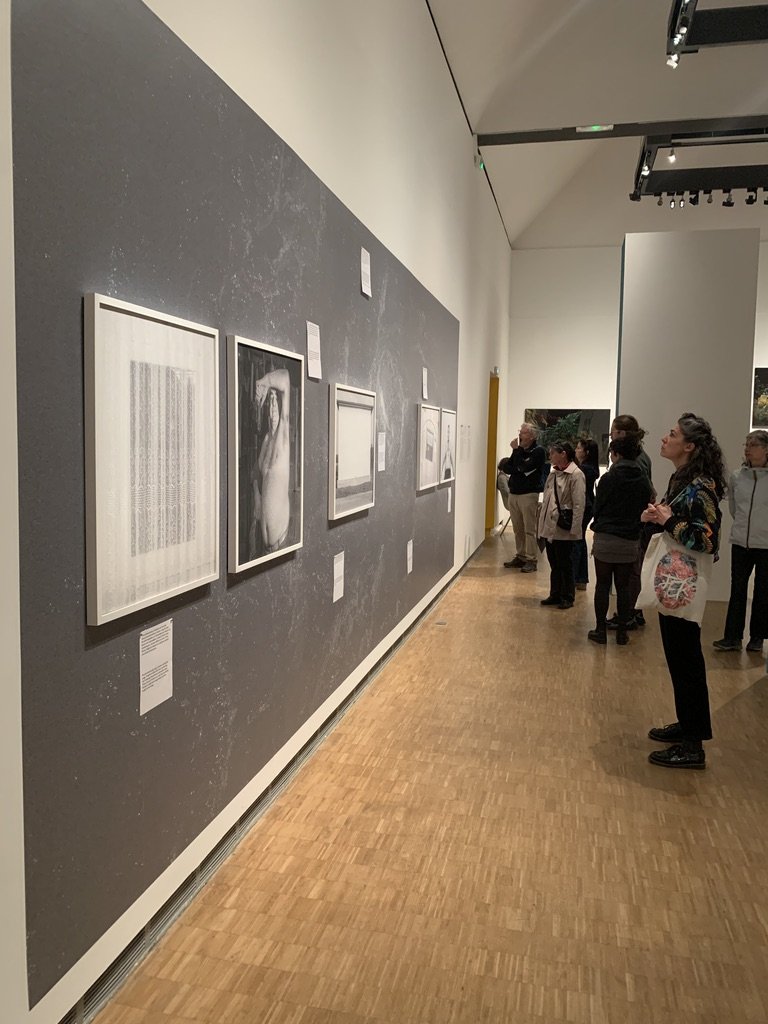
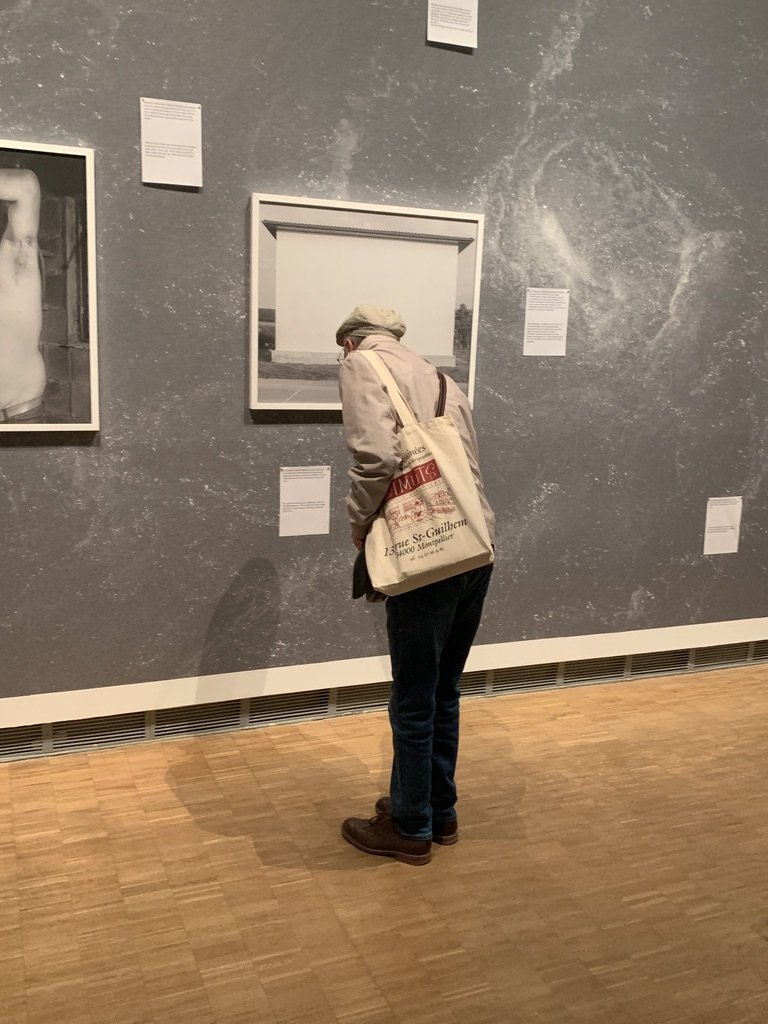
My work tries to make visible these hidden traumas, focusing on places that may seem ordinary at first glance, but which contain painful memories for some. Abandoned buildings, quiet landscapes, traces in architecture: all this carries stories that are not directly expressed, but can be felt. The landscape, like the human body, could testify to violence, but the visible signs have often disappeared. Like wounds under the skin, traces in the ground remain hidden. My work tries to fill this void with abstraction, to give birth to words about what cannot be seen.
The photographs are presented with texts that are the voice of the survivors. They talk about memory, silence after violence, the struggle to survive and the strength it takes to express the unspeakable. As long as their stories are not heard, the injustice they have suffered will remain unresolved.
This project is part of a process of reflection on memory, trauma and identity. It invites us to critically examine our relationship with truth and History.